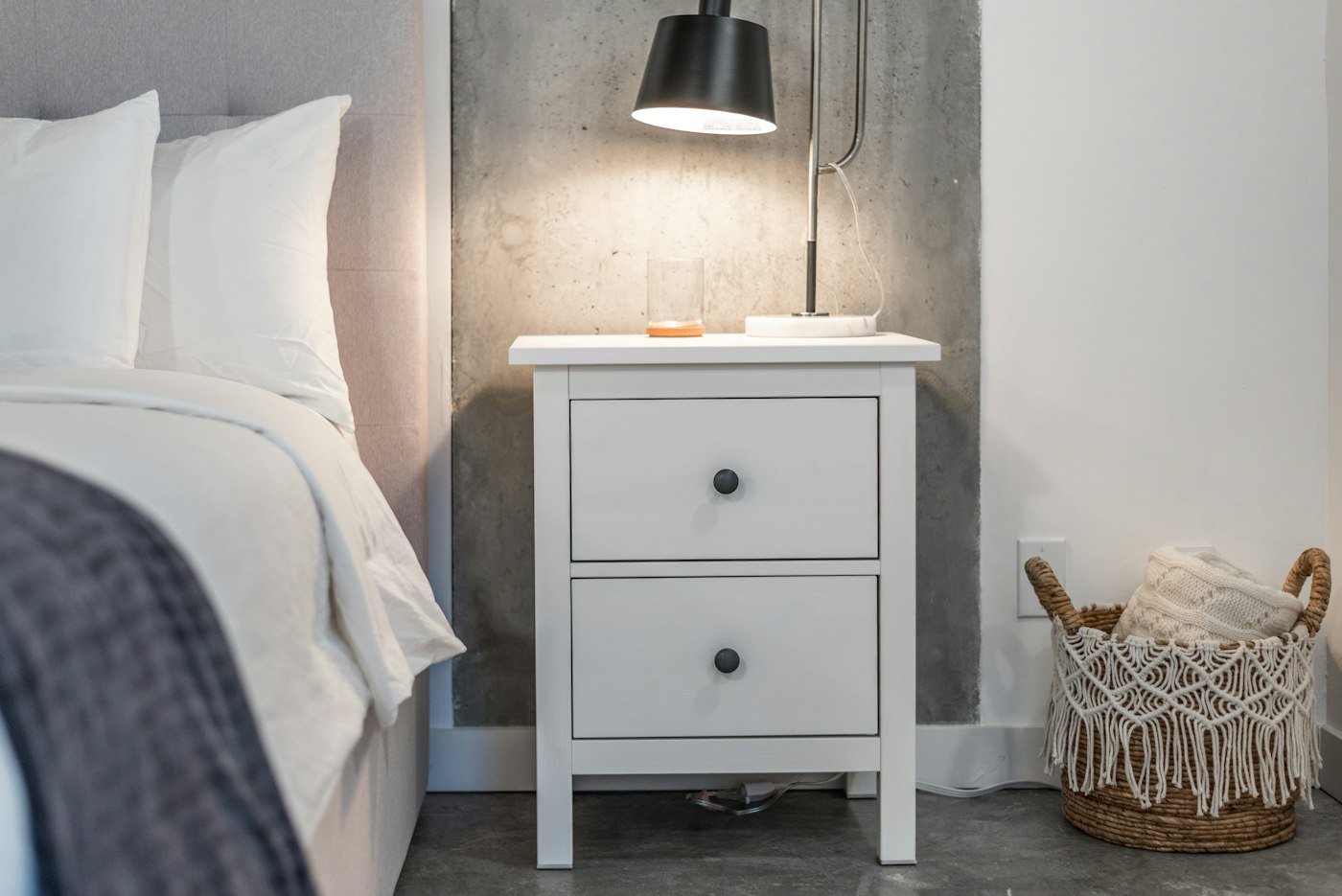
Welcome to the 3am Club. Membership is free, attendance is compulsory, and the ceiling is very interesting once you have stared at it for an hour.
The moment
You fall asleep fine. Then at 3am, bang. Either you are soaked and kicking the duvet off, or you are freezing and pulling it back. Or you are simply awake, running through tomorrow’s to-do list, that thing you said in 2009, and whether you locked the back door.
By the time the alarm goes, you feel like you have done a night shift.
Why it happens
- Sleep problems are a recognised symptom. The NHS lists not being able to get to sleep or stay asleep as a common symptom of perimenopause.
- Night sweats make it worse. They are hot flushes that happen at night, and they wake you up.
- It feeds everything else. Poor sleep can leave you irritable, stressed and anxious, and makes brain fog and low mood feel worse.
Try this
- Keep the bedroom cool. Light bedding, a fan, a window open a crack.
- Stick to a routine. Same bedtime, same wake time, even at weekends.
- Go easy on caffeine and alcohol, especially later in the day. Both can trigger night sweats.
- Keep a notepad by the bed. Write down the 3am thoughts so your brain can let go of them.
- Ask about CBT. The NHS says it can help with sleep problems.
- Talk to your GP if broken sleep is affecting your daily life. Treating night sweats can make a big difference.
Track it
Note bedtime, wake-ups, night sweats and how rested you felt each morning. A week of notes makes a GP appointment far more useful. Our sleep tracker is coming soon: join the club to hear first.
Sources: NHS: Symptoms of menopause and perimenopause; NHS: Things you can do. This post is personal experience and general information, not medical advice.
Leave a Reply