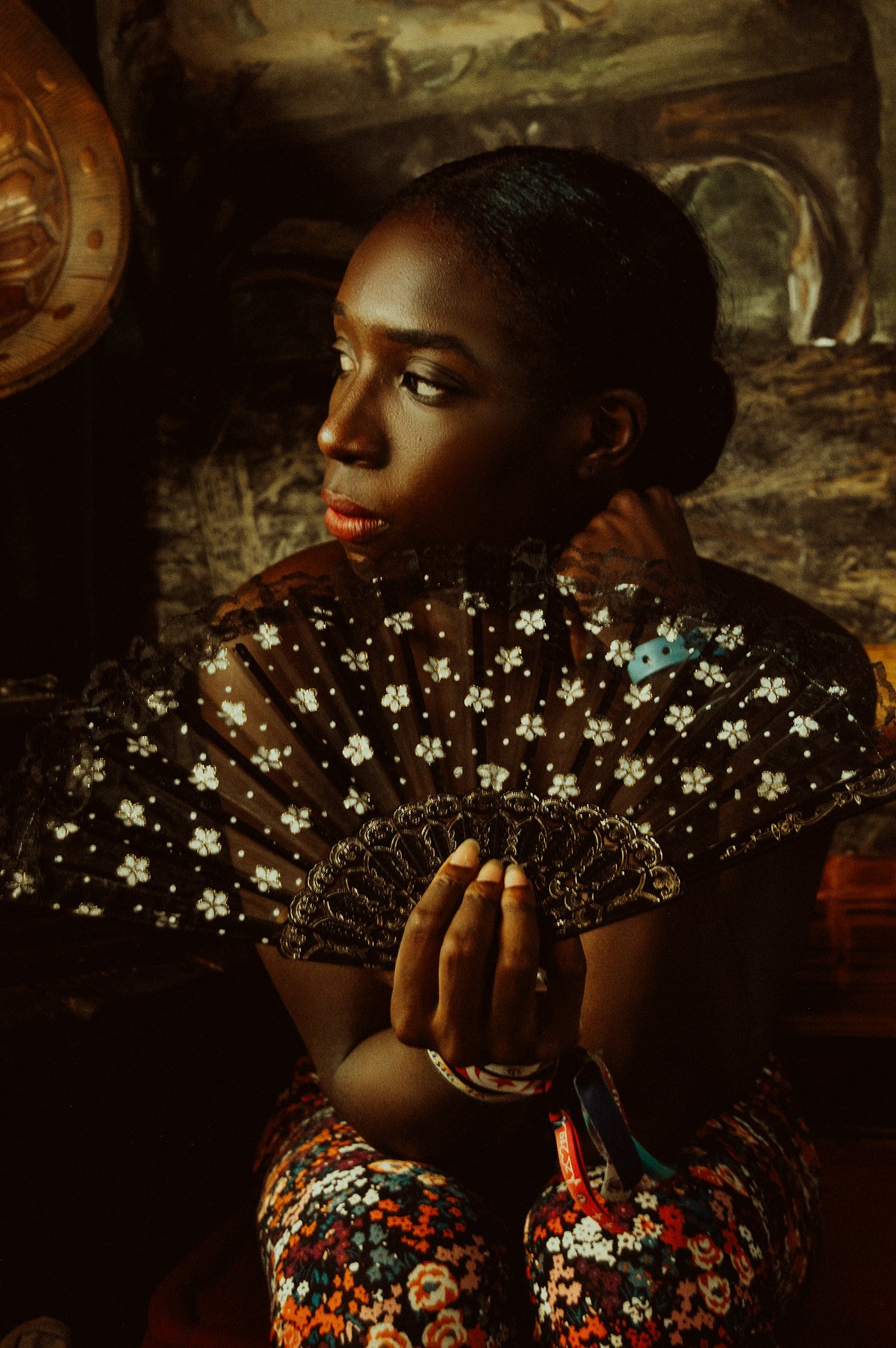
Picture it. A big meeting, a good blouse, a confident presentation. Then, from nowhere, a wave of heat starts at my chest and climbs to my face like it has somewhere important to be. By the second slide I am glowing. By the third I am fanning myself with the agenda.
The moment
Hot flushes do not care where you are. The supermarket queue, a first date, the school gate, under the duvet at 3am. And they rarely arrive alone: the racing heart, the flash of panic, then the chill as it passes and you are left damp and slightly embarrassed.
Why it happens
- They are one of the most common symptoms. The NHS describes hot flushes as your face, neck and chest suddenly feeling very hot, sometimes with sweating, palpitations, anxiety or dizziness.
- They can last for minutes and happen day or night. At night they are called night sweats.
- Some things make them more likely. The NHS names spicy food, caffeine, hot drinks, smoking and alcohol as possible triggers.
- Stress plays a part too, which is unhelpful when you are mid-presentation.
Try this
- Layer up. Light clothes you can peel off fast.
- Keep cool kit handy. A small fan in your bag, a cold drink on your desk.
- Spot your triggers. Coffee, wine, curry and stress are common, but everyone is different.
- Cool the bedroom at night, and keep a glass of cold water by the bed.
- Ask about CBT. The NHS says cognitive behavioural therapy can help with hot flushes.
- Talk to your GP about treatment. HRT and some non-hormonal options can help. Herbal remedies have very little evidence behind them and can interact with other medicines.
Track it
For a week, note each flush: time, where you were, what you had just eaten or drunk, and how stressed you felt. Patterns jump out quickly. Join the club to get our hot flush tracker when it is ready.
Sources: NHS: Symptoms of menopause and perimenopause; NHS: Things you can do; NHS: Treatment. This post is personal experience and general information, not medical advice.
Leave a Reply